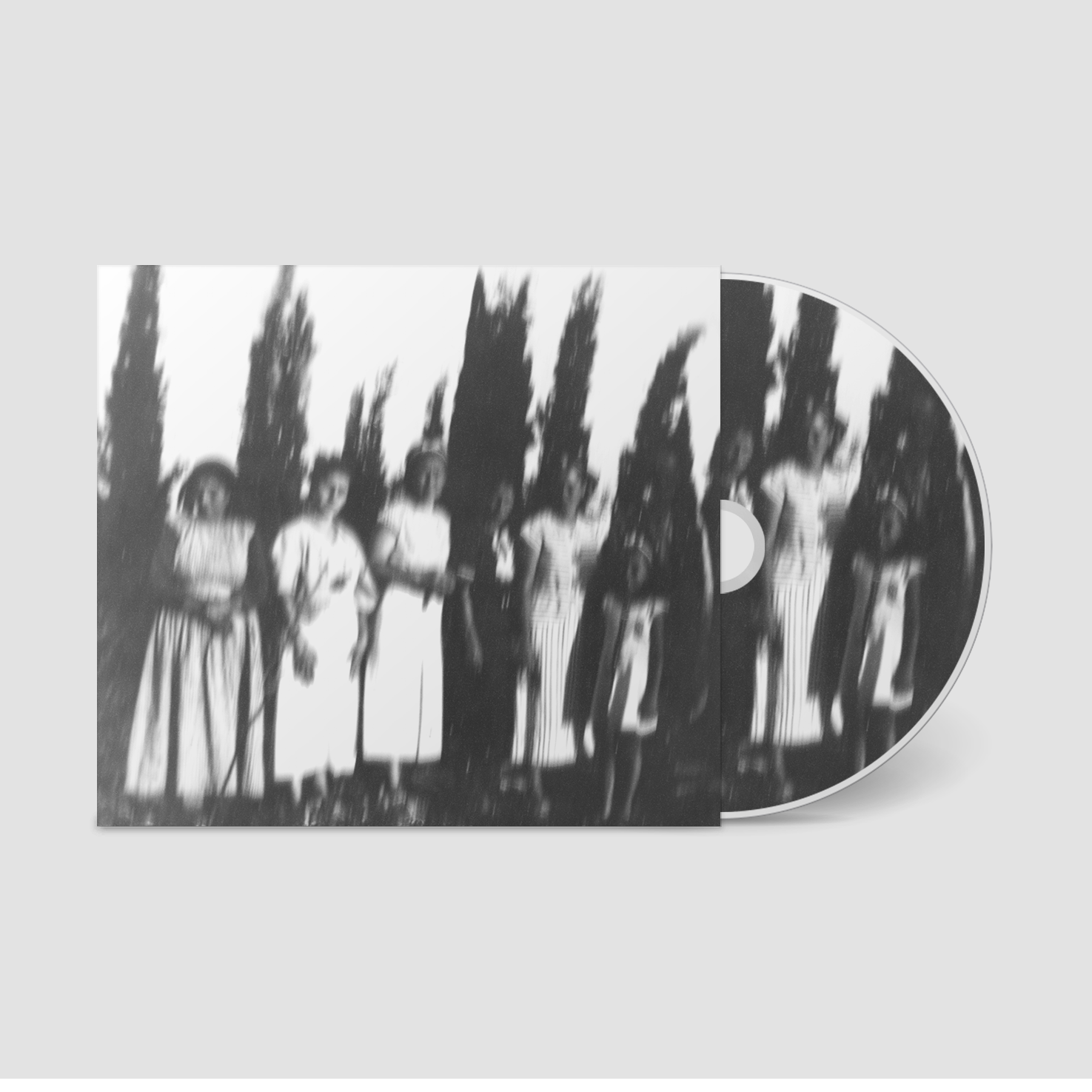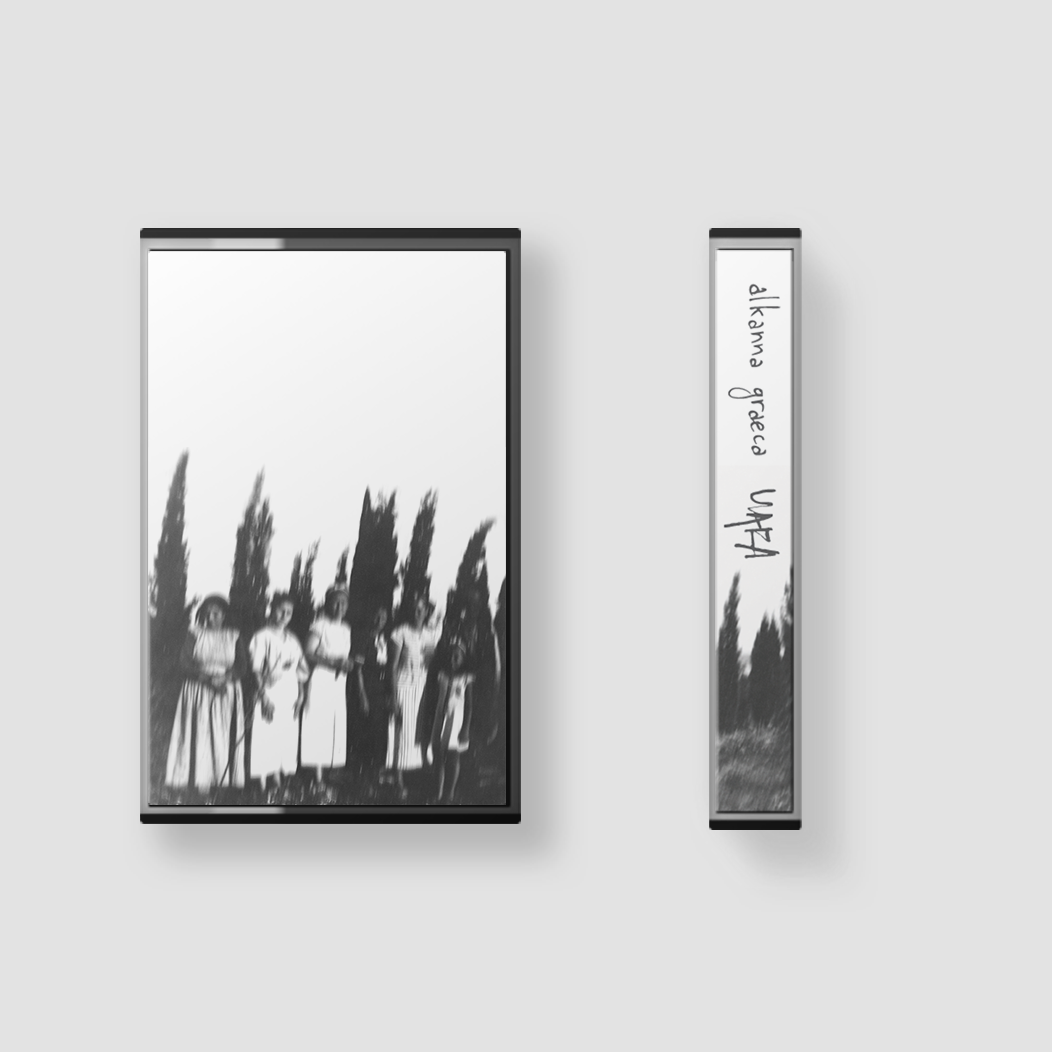
UARA
Alkanna Graeca
Flung is thrilled to present UARA by Alkanna Graeca: the vocal trio’s debut EP of Greek, Albanian, and Vlach folk polyphony, rendering the raw and many-sided histories of southern Balkan lament into five striking songs balancing vocal power and tender, haunting sorrow.
CD + Cassette + Digital (48k/24bit wav) - flung010
Released 19 November 2026
CD + Cassette: £12
Digital: £9
RELEASE NOTES
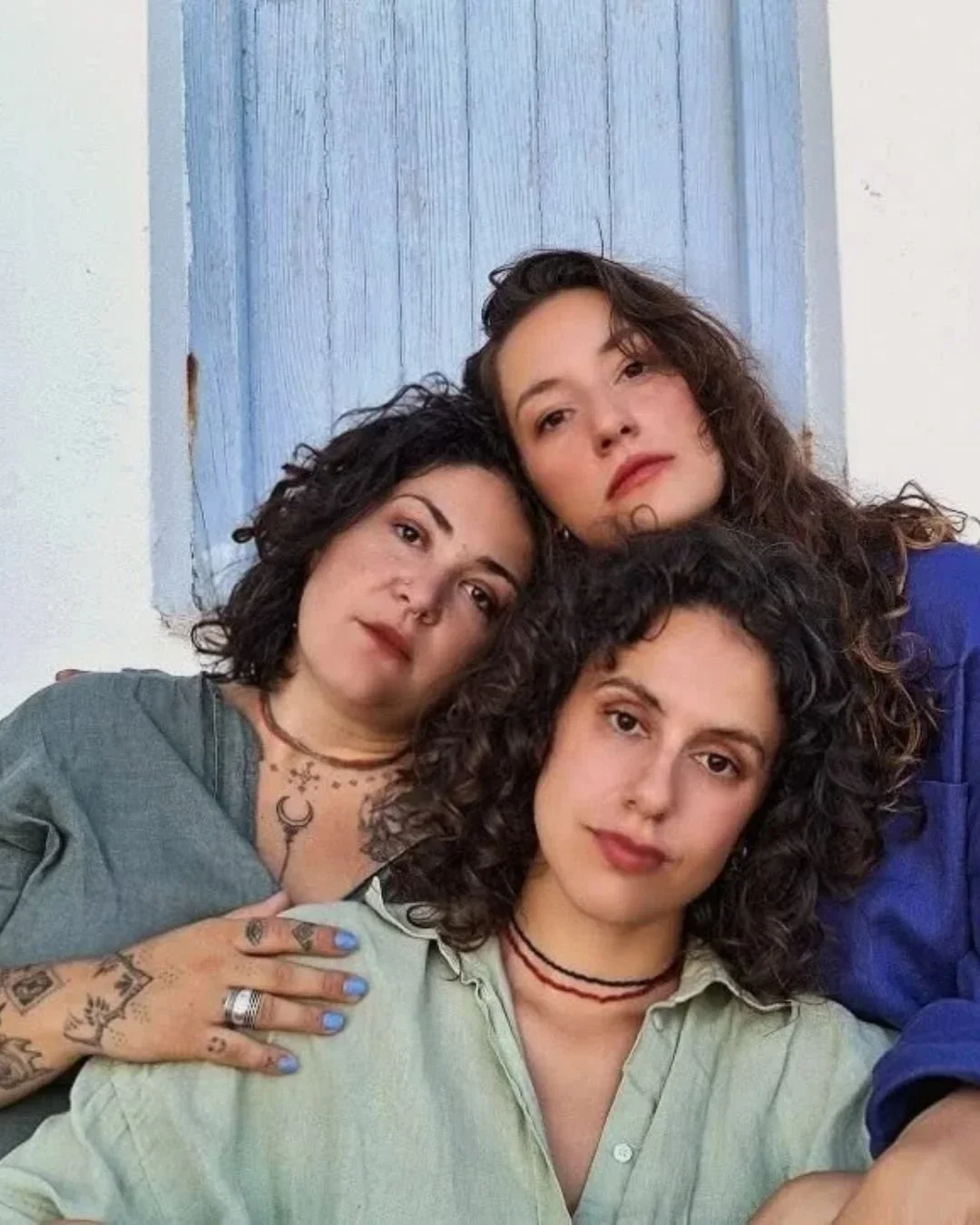
Flung is thrilled to present UARA, the debut EP by Alkanna Graeca. Since forming in 2025, the Greek vocal trio has quickly turned heads across the UK, Greece, and throughout Europe, singing in various guises alongside ritual drums, Balkan bagpipes, electronics, and baroque ensembles. This EP strips their sound back to its purest vocal form, bringing together Greek, Albanian, and Vlach polyphonic traditions from across the southern Balkans to confound present-day borders.
Alkanna Graeca is Alexandra Achillea, Irini Arabatzi, and Dunja Botic. As individuals, their work spans folk, opera, baroque, jazz, contemporary music, and improvisation. The breadth of their musicality is evident in their stunning arrangements on “UARA”, which approaches these historically rooted sources with both deep attention to tradition and a strikingly individual vocal sensibility.
UARA traces the shared yet many-sided traditions of lament across the region through five songs. Alkanna Graeca sings of lemon blossom at the graveside, of birdsong, mountains, goats, and muddy rivers bearing the dead; they sing of lost children, historical massacres, and the enduring rituals of mourning. Across these diverse traditions, distinctive vocal roles recur: a high melodic line, a middle voice known as the “weaver”, and a lower melody or drone. The singers exchange these roles from song to song, showcasing a vocal versatility that is at once fiercely alive while remaining steeped in the history of the southern Balkans.
In Janines Ç'i Panë Sytë (What Ioannina’s Eyes Witnessed), the trio present a southern Albanian epic – and the epitome of Lab iso-polyphony – in hushed, haunting tones, recounting a brutal 19th-century battle in which local fighters defiantly charge through an Ottoman camp. Alkanna Graeca’s hushed version, led by Alexandra, glows with subtle microtonal shifts, as melodies bend around the drone, and hover like spectres stalking a misty battle scene.
The ancient funeral lament Vini uara uara l'i’ (the time has come) originates from the mountain villages of northern Greece and the distinctive Vlach culture. Sung entirely in Aromanian (an Eastern Romance language related to Romanian), this song belongs to a raw, heterophonic vocal tradition usually performed by a tight circle of women at the precise moment a deceased loved one is raised to be carried out of the house. This song also lends the EP its title: UARA, the Aromanian word for time, and is led by Dunja in Alkanna Graeca’s arrangement.
Deropolitissa (The Woman of Deropolis) stands as a monument of Epirotan Greek polyphony. It comes from the cross-border region of Epirus, specifically the Dropull (Deropolis) valley in southern Albania where a vibrant Greek minority still resides. Originating during the centuries of Ottoman rule, the song addresses a young Christian girl walking to church with lamps and incense as her community desperately implores her to pray for them in the face of forced conversions and the threat of being slaughtered “like Easter lambs”. Led by Irini, the song is striking for its strident tone, and frequent goat-like ornaments and glissando flicks – reflecting the shepherding culture of Epirus through a vibrato technique known as "tzouma" or "klasma".
Po vjen lumi trubull o (The River Flows Muddy and Troubled) is another heartbreaking example of Albanian Lab iso-polyphony. Written by the legendary polyphonic poet Feti Brahimi, the song typifies the Albanian “vajtim” (lament), reimagined here into a sweeping, multi-voiced arrangement. Led by Alexandra, the song depicts a mother standing helplessly on a riverbank as a violent, muddy torrent carries away the body of her drowned and only son. Her desperate pleas to the crashing waves soar through the singers' vocal cries and florid ornamentation.
Lemonanthous se stolisa (I Decorated You with Lemon Blossoms) is a poignant song from Epirus. Originating as a traditional death lament (“moiroloi”), the song captures the devastating grief of a mother preparing her son for the "long journey" into the afterlife, cloaking his body in sweet lemon blossoms – a tragic ritual decorating him for a wedding he will never see. Alkanna Graeca’s bittersweet performance balances tender cries of loss, led by Irini, with distant, bird-like calls drifting in the background.
CREDITS
Voices: Alexandra Achillea, Irini Arabatzi, Dunja Botic
All music performed and arranged by Alkanna Graeca
Recorded, edited, and mastered by Nicholas Moroz
Recorded at St Nicholas’ Church, Thames Ditton
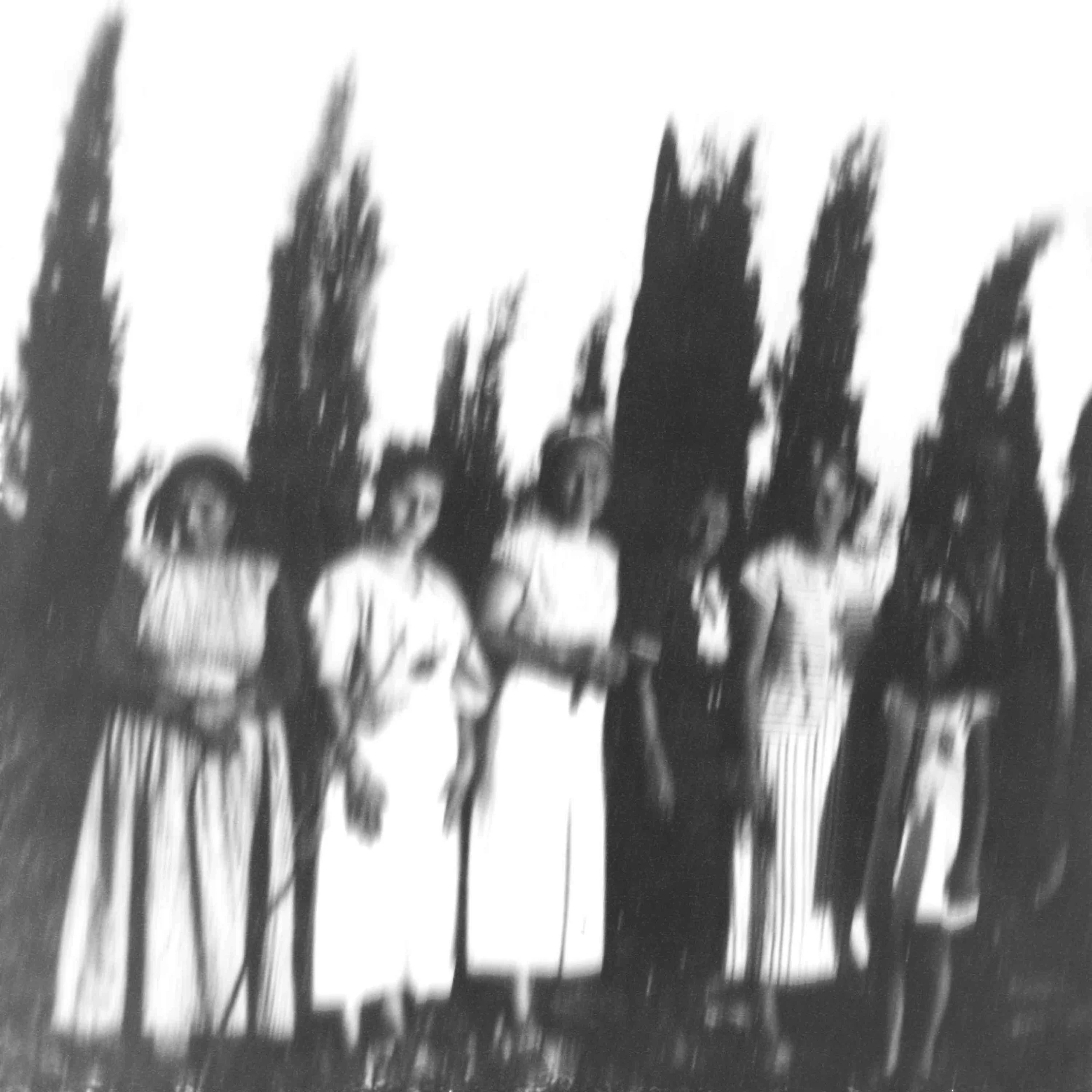
Photos: Digital Archive of Giannis Koniordos, Collection: Dimitra Vogiatzi
Design by Nicholas Moroz
© 2026 – all rights reserved – Flung Records